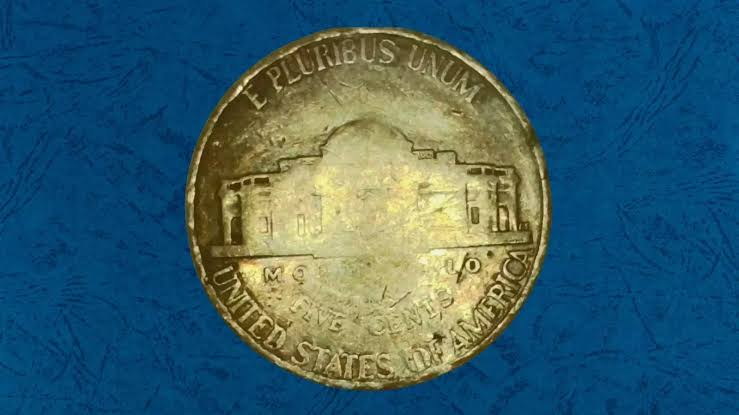
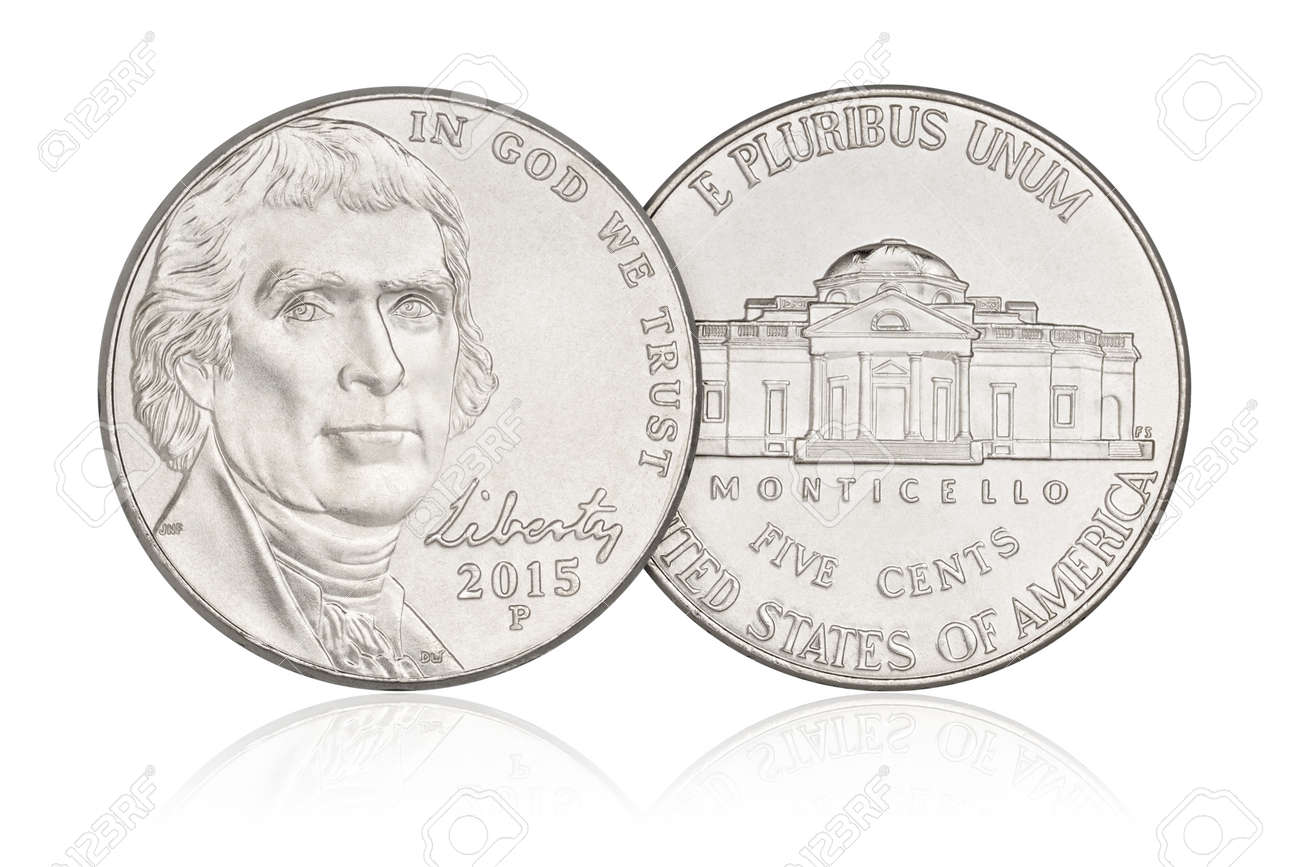
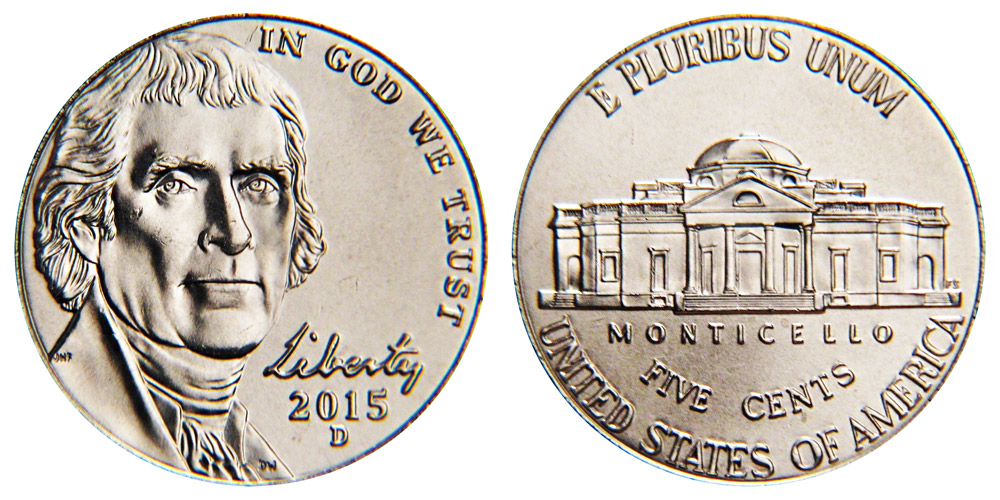
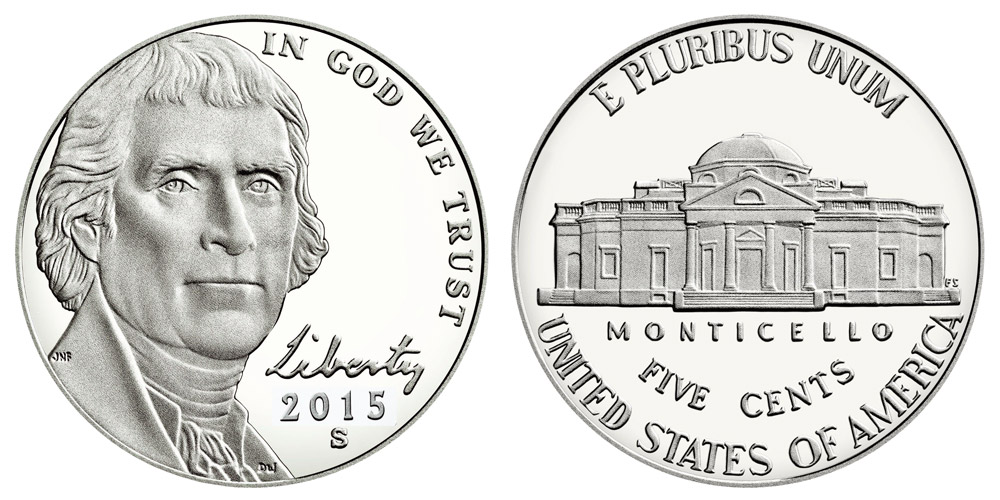
2015 Jefferson nickel obverse and reverse showing Thomas Jefferson portrait and Monticello

Your 2015 Nickel Value: Free Calculator & Full Steps Guide

An NGC MS68 specimen sold for $580 at auction — yet most 2015 Jefferson nickels are worth exactly five cents in pocket change. The difference comes down to condition, the Full Steps designation, and documented error varieties. Over 1.6 billion were struck in 2015, but true gem-quality survivors are genuinely scarce.

★★★★★

Rated 4.8/5 by 1,243 collectors

Check My 2015 Nickel Value →
$580
Top Auction Record (NGC MS68, 2018)
1.6B
Total Coins Struck in 2015
$505
Rotated Die Error Record
3
Mint Facilities: P, D, S

Free 2015 Nickel Value Calculator

Select your coin's mint mark, condition, and any errors to get an instant estimated value.

Step 1: Select Mint Mark

Step 2: Select Condition

Step 3: Check Any Errors (optional)

Not sure of your coin's grade or mint mark? Try the 2015 Nickel Coin Value Checker with photo upload — a free third-party tool that estimates value from photos and helps identify mint marks without any numismatic knowledge required.

Full Steps (FS) Designation Self-Checker

The Full Steps designation is the single most important value driver for high-grade 2015 nickels — a qualifying coin can be worth 3–10× more than a non-FS example at the same grade. Use this checklist to assess yours.

2015 Jefferson nickel Full Steps comparison: weak steps on left vs clear Full Steps on right at base of Monticello

❌ Non-Full Steps (Standard)

Four or fewer steps visible at the base of Monticello. One or more step lines are blended, interrupted, or missing entirely. Worth standard MS pricing — minimal premium.

↓ vs ↑

✅ Full Steps (FS) — Premium Coin

All five (or six) steps at the Monticello base are completely distinct and unbroken across the full width. An MS66FS–MS67FS coin can sell for $20–$90+. MS68FS is condition-rare even from this large mintage.

Does Your Coin Have Full Steps? Check All That Apply:

Want a specific dollar estimate, not just a designation check? The calculator above handles all mint marks, conditions, and error types in seconds.

Get My Value Estimate →

What's on This Page

Jump to any section:

The Valuable 2015 Jefferson Nickel Errors (Complete Guide)

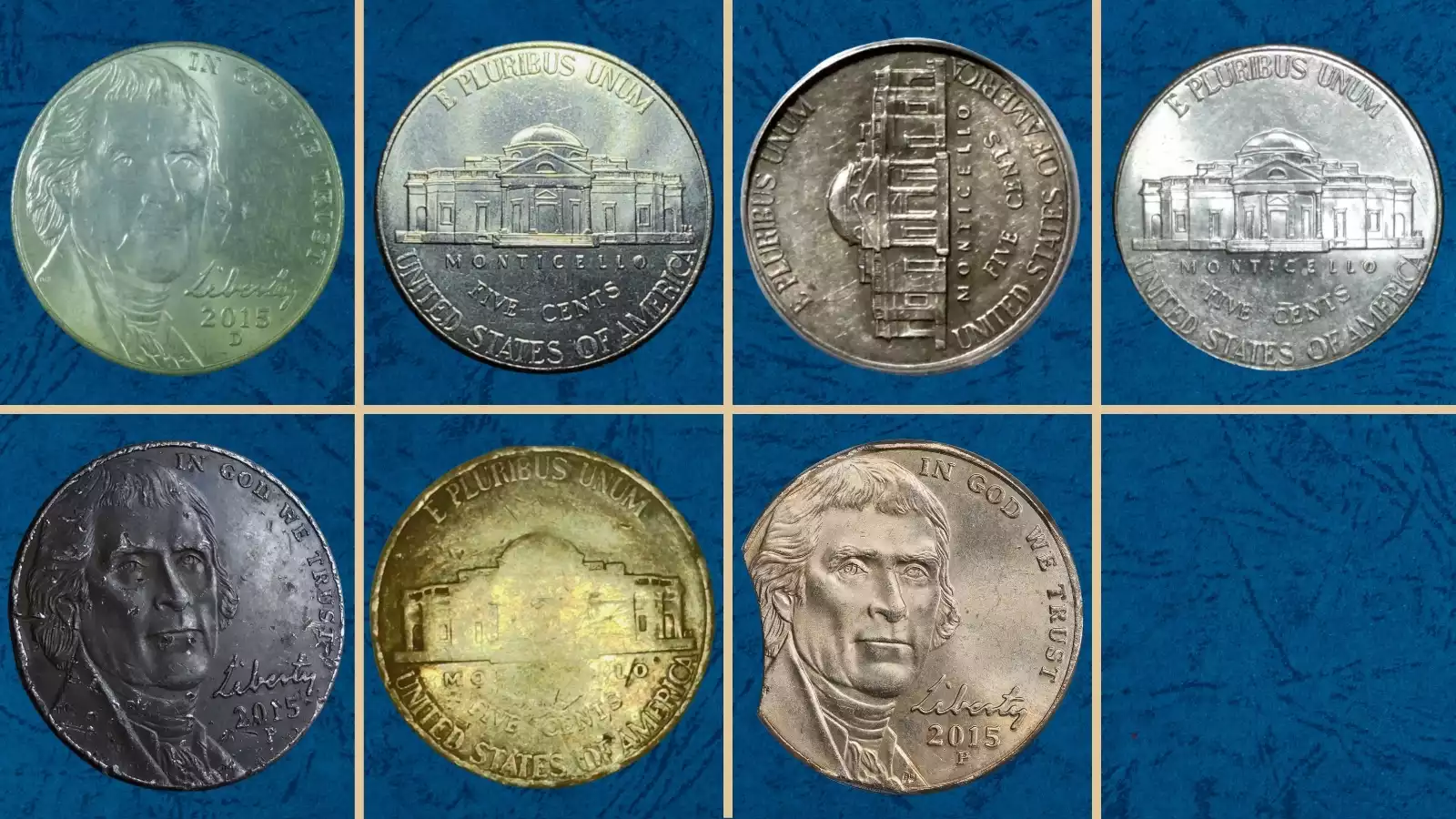
The 2015 Jefferson nickel series contains several documented minting errors produced at both Philadelphia and Denver facilities. Most coins in your pocket are worth exactly five cents — but the varieties below can fetch anywhere from $50 to over $500. Each error described here represents a confirmed production flaw, not post-mint damage. Understand the differences, and you'll know exactly what to hunt for.

2015 nickel broadstrike error showing expanded diameter and tapered edge compared to normal coin
Most Valuable

2015 Nickel Broadstrike Error

$100 – $500+

A broadstrike occurs when a planchet is struck outside the retaining collar that normally constrains the coin to its final diameter. Without the collar in place, the metal is free to spread laterally, producing a coin that is measurably wider than the standard 21.2mm specification with a distinctive tapered, knife-like edge instead of a milled rim.

To identify a broadstrike, measure the coin with calipers — any diameter noticeably exceeding 21.2mm with a smooth, tapered peripheral edge (no raised rim) confirms the error. The design elements remain intact and centered; the expansion is purely in the outer dimension.

Collector demand for broadstrike errors is consistently strong because they are immediately visually dramatic and unambiguous — no magnification required to see something is wrong. An MS-grade 2015 nickel broadstrike sold for $485 at auction, and examples in higher preservation states can exceed $500. Lower-grade specimens typically sell in the $100–$200 range.

How to spot it

Measure with calipers: diameter exceeds 21.2mm with a thin, tapered rim instead of a raised edge. Compare the rim profile side-by-side with a normal nickel to confirm the missing collar effect.

Mint mark

Both P (Philadelphia) and D (Denver) issues documented; not mint-specific.

Notable

An MS-grade 2015 broadstrike sold for $485 at auction. This is among the highest realized prices for any standard 2015 nickel error. Strong examples approaching MS65 can exceed $500 with documented provenance.

2015 nickel rotated die error showing reverse dramatically off-axis from normal coin alignment
Most Famous

2015 Nickel Rotated Die Error

$100 – $505+

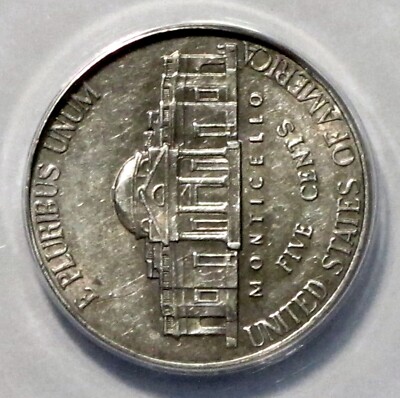
A rotated die error occurs when one of the working dies is not properly secured in the press and rotates away from the standard coin alignment (180° rotation, known as "medal turn," is the norm for Jefferson nickels). Any detectable angular deviation from the expected axis represents a genuine production error that escaped quality control at the mint.

To detect a rotated die, hold the coin by the top edge and flip it horizontally (like turning a page). The reverse should be right-side-up. If Monticello appears rotated — even by 45°, 90°, or 180° — you have a rotated die error. A protractor or specialized coin rotation tool gives a precise measurement of the deviation angle.

The 2015 rotated die error holds one of the highest auction records in the 2015 nickel error series, with a documented sale of $505. The rotation degree matters significantly for value: larger deviations (90°–180°) command top dollar because they are unmistakable, while minor rotations of 15°–30° attract more modest premiums of $50–$150.

How to spot it

Flip the coin horizontally; if the reverse is rotated rather than right-side up, the die rotation is confirmed. Use a protractor for exact degree measurement — greater rotation angle equals greater collector premium under direct lighting.

Mint mark

D (Denver) issues most frequently documented; P (Philadelphia) examples also known.

Notable

Auction record stands at $505, making this the single highest-realized 2015 nickel error sale. Dramatic 180° "medal alignment" examples are the most sought-after. Heritage Auctions and GreatCollections have both handled verified examples.

2015 nickel doubled die error close-up showing doubling on LIBERTY and IN GOD WE TRUST lettering
Most Documented

2015 Nickel Doubled Die Error (DDO/DDR)

$50 – $200+

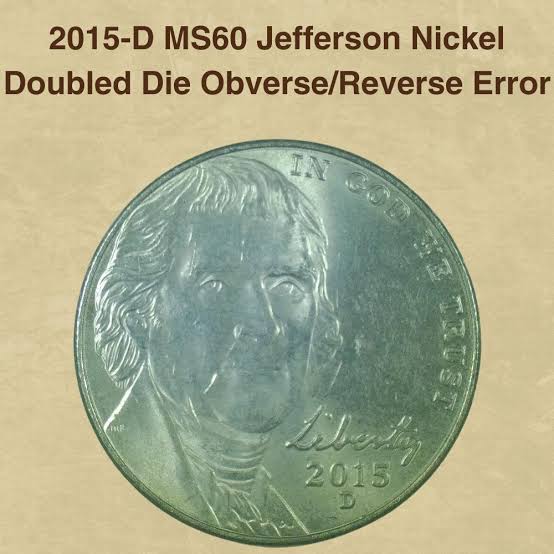
A doubled die error results from the working die receiving two or more misaligned impressions during the hubbing process, permanently embedding a doubled or shifted image into the die's surface. Every coin struck from that die carries the same telltale doubling — this distinguishes true doubled dies from post-mint mechanical doubling, which leaves a shelf-like shadow rather than a full secondary image.

On 2015 nickels, the most collectible doubling appears on the obverse (DDO) in the inscriptions "LIBERTY" or "IN GOD WE TRUST," and on the reverse (DDR) in "MONTICELLO" or "FIVE CENTS." Brian's Variety Coins catalogs multiple confirmed varieties, including the 2015-D WDDR-001 (Class VIII, Tilted Hub Doubling) visible near the upper door frame above the steps. Strong examples show notched, distinct secondary lettering visible without magnification.

GreatCollections auctioned a 2015-D MS60 with documented doubled die obverse for $100. Well-defined examples visible to the naked eye command considerably more. The CONECA and WDDR variety designations provide an authoritative catalog for known 2015 nickel doubled die varieties, lending credibility and value at auction.

How to spot it

Under a 10× loupe, look for a distinct secondary impression of the lettering on LIBERTY or IN GOD WE TRUST with a notched edge — not a soft shadow, but a clear second image offset from the primary letters.

Mint mark

Both P (Philadelphia) and D (Denver) varieties confirmed; the 2015-D WDDR-001 is the most widely documented.

Notable

The 2015-D WDDR-001 is cataloged by CONECA (Class VIII, Tilted Hub Doubling) showing on the reverse door frame above the steps. GreatCollections sold an MS60 DDO example for $100. Strong-hub varieties with naked-eye doubling command $150–$200+.

2015 nickel die clash error showing ghost impression from obverse die stamped into reverse field
Hidden Gem

2015 Nickel Die Clash Error

$75 – $300

A die clash happens when the obverse and reverse dies strike each other directly — without a planchet between them — transferring incuse mirror images of each die's design into the opposing die. Subsequent coins struck from these clash-damaged dies show faint ghost impressions: traces of Jefferson's portrait may appear on the reverse field, and elements of Monticello can show up in the obverse field near the date.

Identifying a die clash requires careful inspection under direct, raking light at a shallow angle to the coin's surface. Look for thin, unusual curved or angular lines in the fields that don't belong to the normal design — particularly near Jefferson's neck line on the reverse, or around the base of Monticello on the obverse. Die clash marks are incuse (recessed into the surface) rather than raised.

A 2015-D MS62 with a die clash error sold for $220 at auction in 2017, according to Heritage Auctions records. Values typically range from $75 to $300 depending on how bold and dramatic the clash marks appear. The most desirable examples show the ghost impression of the opposing die's primary design element with high visibility under normal coin photography lighting.

How to spot it

Shine a direct light at a 10°–15° angle across the coin surface. Look for incuse curved lines or partial portrait features in the reverse field, or angular geometric ghosts near the date on the obverse that don't belong to the standard design.

Mint mark

D (Denver) examples are most frequently cited; P (Philadelphia) die clash coins also confirmed in collector literature.

Notable

Heritage Auctions sold a 2015-D MS62 die clash example for $220 in 2017. Bold clash examples showing recognizable design transfer from one die face to the other are the most valuable. Value is heavily dependent on visibility and dramatic presentation.

2015 nickel lamination error showing surface metal flap or void where planchet alloy has separated
Best Kept Secret

2015 Nickel Lamination Error

$30 – $400

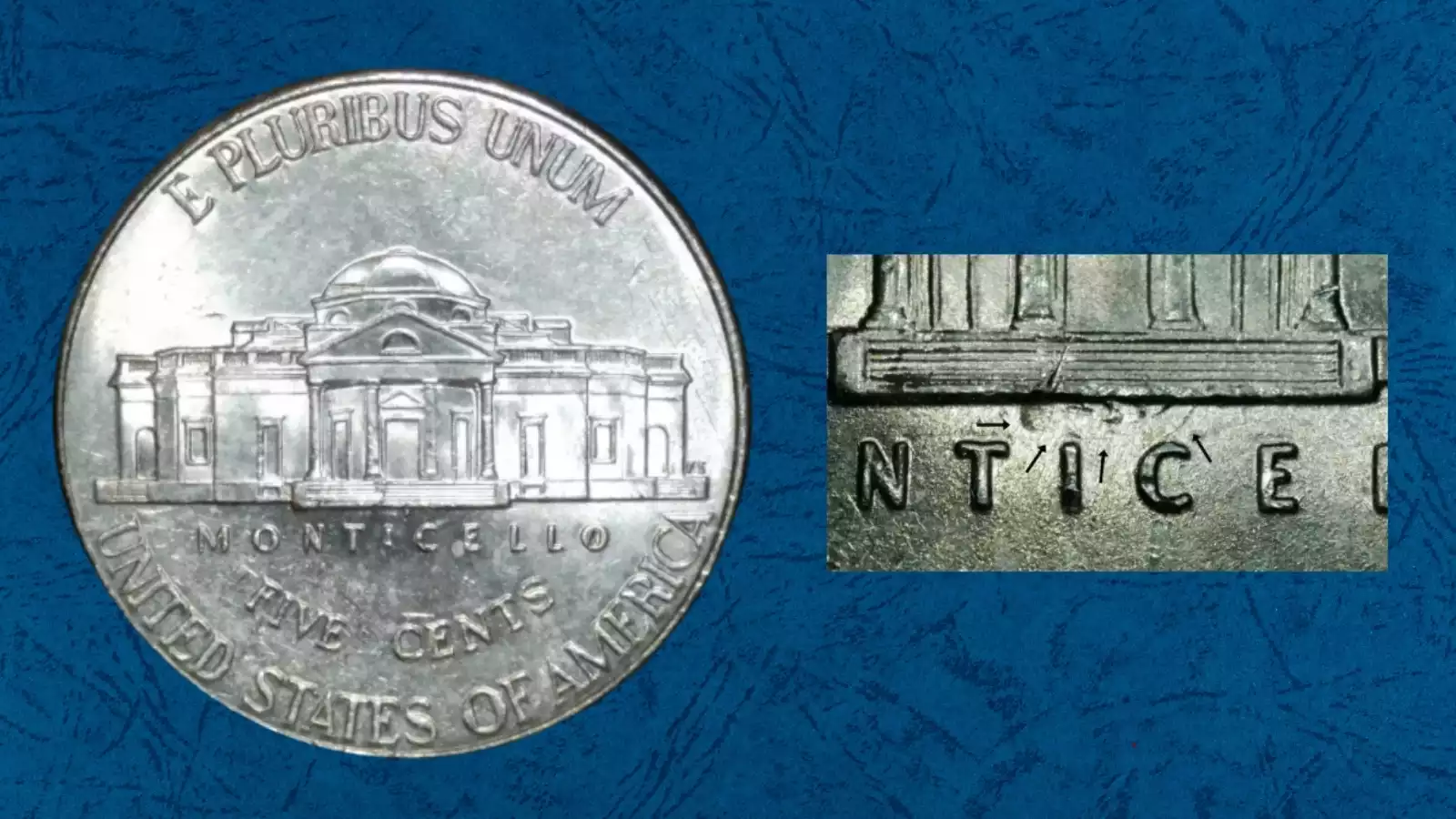
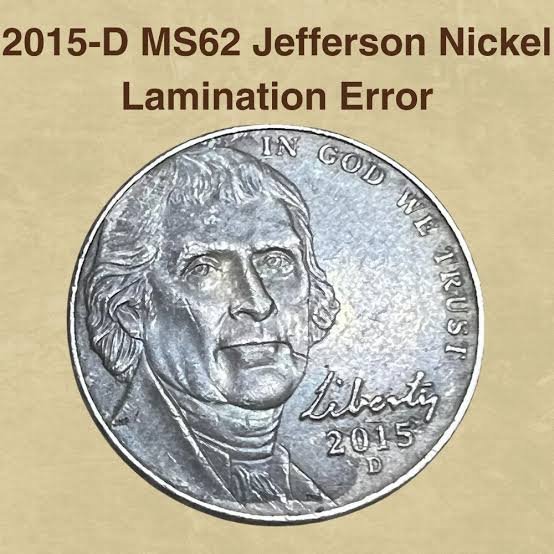
A lamination error occurs when impurities, gas pockets, or internal stress fractures within the planchet alloy cause the coin's surface to split, peel, or lose chunks of metal during or after striking. The 75% copper, 25% nickel alloy used in Jefferson nickels is generally well-mixed, but processing anomalies at the alloy preparation stage can leave weak stress points that reveal themselves during the high-pressure striking event.

Lamination errors range from subtle surface cracks and raised flaps to dramatic missing-metal voids where an entire section of the coin's face has peeled away. The size, depth, and location of the flaw drive value significantly: missing laminations near Jefferson's portrait or Monticello's facade attract the strongest collector interest, while small peripheral cracks draw only modest premiums.

A 2015-D MS62 lamination error sold in 2020, with documented examples ranging from $30 for minor surface cracks to $400 for dramatic missing-metal examples with large, clearly separated flaps. Coins showing both a raised flap (not yet detached) and a matching void (where another flap has separated) are among the most visually compelling for collectors. Both Philadelphia and Denver strikes are known with this error type.
How to spot it

Under a 10× loupe, look for raised metallic flaps peeling from the surface, irregular surface cracks following grain lines, or irregular voids where metal has separated. Check both sides of the coin under strong directional lighting to catch subtle early-stage laminations.

Mint mark

Both P (Philadelphia) and D (Denver) strikes; most cataloged examples are from Denver production.

Notable

Documented 2015-D MS62 lamination error sold in 2020. Value spread is the widest of any 2015 nickel error — from $30 for hairline cracks to $400 for dramatic missing-metal examples. Location near a major design element multiplies premium substantially.

2015 Jefferson Nickel Mintage & Survival Data

2015 Jefferson nickel group shot showing Philadelphia and Denver mint specimens from original rolls
Mint Mint Mark Strike Type Mintage Notes
Denver D Business Strike 846,720,000 Highest mintage; MS68 record $580
Philadelphia P Business Strike 752,880,000 MS69 auction record ~$150
San Francisco S Proof (DCAM) 1,099,412 Sold only in collector proof sets
Total All Facilities 1,600,699,412 ~1.6 billion total
Composition Note: All 2015 Jefferson nickels (business strikes and proofs) are struck in 75% copper and 25% nickel on a 21.2mm diameter, 5.0-gram planchet. The designer credit belongs to Felix Schlag (original 1938 portrait and Monticello reverse) with the modernized obverse by Jamie Franki. Despite the "nickel" name, these coins contain no silver — their melt value is minimal (approximately $0.06 in base metal). Scarcity is entirely a product of condition, not composition.

🔍 Found an error on your coin? Use the calculator to factor in your specific error type and get an estimated value range.

Calculate My Error Coin Value →

Describe Your 2015 Nickel for a Detailed Assessment

Not sure which condition button to press? Describe what you see in plain language and get a keyword-matched assessment.

Mention these things if you can

  • Mint mark (P, D, or S)
  • Visible wear on Jefferson's cheek or hair
  • Step visibility at Monticello base
  • Luster — is it shiny or dull?
  • Any unusual features or deformities

Also helpful

  • Coin found in circulation vs. roll
  • Rotated or off-center appearance
  • Surface cracks, flaps, or missing metal
  • Doubling on letters or portrait
  • Any grading service label (PCGS/NGC)

2015 Nickel Value Chart at a Glance

The table below summarizes estimated values across all major 2015 nickel varieties and condition tiers. For a full illustrated step-by-step breakdown of how to identify and grade your coin, see this in-depth 2015 nickel identification guide and reference.

Variety Worn (G–F) Circulated (VF–AU) Uncirculated (MS60–65) Gem (MS66–MS68+)
2015-P (Philadelphia) Face value $0.05 – $0.25 $0.30 – $8 $12 – $150
2015-D (Denver) Face value $0.05 – $0.25 $0.30 – $8 $11 – $580
2015-P FS (Full Steps) N/A N/A $2 – $19 $25 – $129+
2015-D FS (Full Steps) N/A N/A $2 – $12 $20 – $169+
2015-S Proof DCAM N/A N/A N/A ~$8 (PR65+)
Broadstrike Error $50 – $100 $100 – $200 $200 – $350 $350 – $500+
Rotated Die Error $50 – $100 $100 – $200 $150 – $350 $350 – $505+

★ Highlighted gold rows = Full Steps premium coins. ★ Red rows = top error varieties. Values are market estimates based on recent auction data; individual coins may vary.

🪙 CoinKnow lets you snap a photo and instantly cross-check your coin against current market values — a coin identifier and value app.

How to Grade Your 2015 Jefferson Nickel

2015 Jefferson nickel grading strip showing four condition tiers from worn to gem uncirculated

Worn (G–F)

Jefferson's cheekbone, hair above the ear, and the jawline are flat with extensive wear. Monticello's columns are blended into the field. All lettering is fully readable. Worth face value — no collector premium.

Circulated (VF–AU)

Some hair detail visible above Jefferson's ear; cheekbone still shows wear. Monticello's columns show most vertical lines but may have slight flatness at their peaks. Still worth face value to minimal premium for most dates.

Uncirculated (MS60–65)

No visible wear on any high point. Full luster present, though contact marks and bag marks from mint handling are expected. Steps at Monticello may be weak; this grade range sees values of $0.30–$8 for standard strikes.

Gem (MS66–MS68+)

Nearly perfect surfaces with exceptional luster and minimal contact marks. MS67 is where values climb steeply. MS68 is genuinely condition-rare for this date — the $580 auction record reflects a coin that PCGS or NGC experts considered nearly flawless.

Pro Tip — Full Steps & Color Designations: For Jefferson nickels, the most important secondary designation is Full Steps (FS). Unlike Morgan dollars (where luster type or strike sharpness on the eagle matters), Jefferson nickels live or die by Monticello's steps. To qualify for FS, every one of the five steps at the base of Monticello's entrance must be completely uninterrupted from left edge to right edge. Under a 10× loupe, trace each step line — if any one breaks, blends with its neighbor, or fades before reaching the edge, the coin does not qualify. A 2015 nickel that grades MS66 without FS might be worth $12; the same coin with FS designation can reach $25–$30. At MS67FS, market prices range from $75 to $129+.

📱 CoinKnow helps you match your coin's condition to certified examples by comparing your photo against graded specimens in its database — a coin identifier and value app.

Where to Sell Your Valuable 2015 Nickel

🏛️ Heritage Auctions

Best for certified MS67+ or MS68 coins and major errors (broadstrike, rotated dies). Heritage's numismatic audience drives competitive bidding. Minimum value thresholds typically apply — best suited for coins likely to exceed $100–$200 at hammer.

🛒 eBay

The largest secondary market for modern Jefferson nickels. The highest auction records for 2015 nickels — including the $580 MS68 sale — were achieved on eBay. Check recently sold 2015-D nickel prices and eBay comps to set a competitive starting bid. PCGS or NGC certification significantly improves buyer confidence and final prices.

🏪 Local Coin Shop

Quick cash, no fees, no waiting. Dealers typically offer 40–60% of retail value for modern Jefferson nickels. Best for circulated examples where the dealer can sell them without any certification effort. Bring any grading holder documentation you have.

💬 Reddit (r/coins, r/CRH)

Reddit's coin roll hunting (CRH) and numismatics communities are ideal for mid-range uncirculated examples, Full Steps coins, and minor errors. Knowledgeable buyers appreciate attribution details — post high-resolution photos and mention any variety catalog numbers you've identified.

💡 Get It Graded First — When It's Worth It

Submit to PCGS or NGC before selling if your 2015 nickel appears to grade MS67 or higher, shows clear Full Steps at MS66+, or carries a broadstrike or rotated die error. The $580 record coin was NGC-certified. Grading fees run $20–$40 per coin at standard submission tiers — economically justified only when the expected certified premium exceeds that cost. For MS65 and below, skip certification: the holder adds no meaningful value above the coin itself.

Frequently Asked Questions — 2015 Nickel Value

How much is a 2015 nickel worth?

Most 2015 nickels are worth face value — just 5 cents — in circulated condition. Uncirculated examples (MS60–MS65) trade from around $0.30 to a few dollars. The real premiums begin at MS67 and above, or with the Full Steps designation. The highest auction record for a standard 2015 circulation strike is $580 for an NGC-graded MS68 example sold in December 2018.

What is the Full Steps designation on a 2015 nickel?

Full Steps (FS) means the five or six steps at the base of Monticello on the reverse are sharply struck and completely uninterrupted. PCGS requires five visible steps; NGC uses 5FS or 6FS designations. A Full Steps coin commands a significant premium — a 2015-D MS67FS sold for $169 at auction, and a 2015-P MS67FS has reached $129. Only freshly struck coins with exceptional die quality earn this designation.

What is the difference between a 2015-P and 2015-D nickel?

Both are circulation strikes differing only by mint. Philadelphia produced 752,880,000 examples (marked P below the date), while Denver struck 846,720,000 (marked D). Values are similar at most grades. The Denver issue holds the highest auction record at $580 for MS68. The mint mark appears on the obverse below the date near Jefferson's shoulder.

Is a 2015-S nickel rare?

The 2015-S nickel was struck in proof format only, with a mintage of 1,099,412 — far fewer than the combined 1.6 billion circulation strikes from Philadelphia and Denver. These proof coins were sold in collector sets and feature deep cameo (DCAM) contrast between frosted design elements and mirror-like fields. They are not found in circulation and typically sell for around $8 in proof condition.

What 2015 nickel errors are worth money?

The most valuable documented errors include: broadstrike ($485+ at auction), rotated dies ($505 at auction), die clash ($220), doubled die obverse ($100+ for strong examples), die chip errors ($50–$200), and lamination errors ($30–$400 depending on severity). Broadstrike and rotated die errors command the highest premiums because they are visually dramatic and immediately verifiable.

How do I find the mint mark on a 2015 nickel?

The mint mark on a 2015 Jefferson nickel is on the obverse (front face) of the coin, positioned just below the date near Jefferson's right shoulder. Look for a small P (Philadelphia), D (Denver), or S (San Francisco). The S mark only appears on proof specimens sold in collector sets — it is never found on coins from circulation.

What grade does a 2015 nickel need to be worth submitting to PCGS or NGC?

It is generally worth submitting a 2015 nickel for third-party grading only if you believe it grades MS68 or higher, shows strong Full Steps at MS66 or above, or carries a major error like a broadstrike or rotated dies. For ordinary MS65 or lower examples, the grading fee typically exceeds any premium the holder would add to the coin's value.

What does a 2015 nickel look like in worn condition?

In worn (Good to Fine) condition, a 2015 nickel shows significant flatness on Jefferson's cheekbone, jaw, and hair above the ear on the obverse. On the reverse, the columns and steps of Monticello will be partially flat or blended together. Design details like the lettering remain readable but lack sharpness. Worn examples have no collector premium above face value.

Can I find a 2015 nickel with Full Steps in pocket change?

It is very unlikely but theoretically possible if a coin has never circulated and was just spent. Full Steps coins require an exceptional strike and zero post-mint contact that blends the step lines. Any handling — rolling, sorting, or vending machine use — typically destroys the step definition. True Full Steps coins from circulation are extremely rare; they are almost exclusively found in original mint sets or sealed rolls.

How much is a 2015 nickel proof worth?

The 2015-S proof nickel in Deep Cameo (DCAM) condition typically sells for around $8 in standard collector sets. Higher-grade examples certified by PCGS or NGC can command modest premiums. These coins feature frosted device designs against mirror-like fields and were struck at San Francisco exclusively for inclusion in the annual proof set sold to collectors.

Ready to find out what your 2015 nickel is worth?

The calculator takes less than 60 seconds. No signup, no email — just your coin's details and an instant estimate.

Use the Free Calculator Now →